
Client
Control Center Tyrol GmbH
Place of performance
Innsbruck, Austria
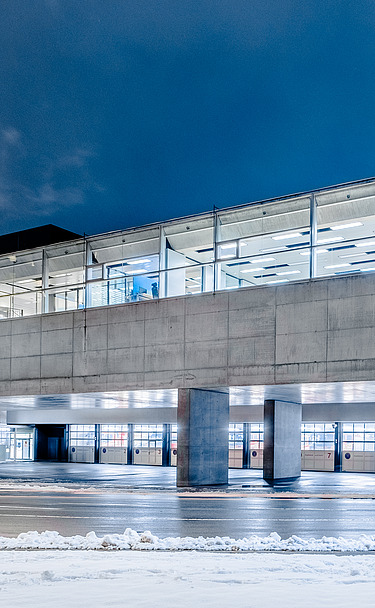
Control Center Tyrol
The Tyrol Control Center is the central control center for the Tyrolean emergency services. It receives the emergency calls 122 - Fire Department, 140 - Alpine Emergency Call and 144 - Rescue Services and coordinates the emergency services. It also dispatches qualified ambulance services, the 1450 Health Hotline and monitors the provincial road tunnels.
Every year, the control center dispatches and coordinates around 130,000 rescue operations, 15,000 fire department operations, 200,000 ambulance operations and 12,000 alpine operations as well as over 170,000 telephone health consultations on the 1450 number.
The workstations are positioned centrally in the premises of the Tyrol control center or decentrally as remote or mobile workstations. The equipment features and roles are listed according to the tasks.
Details of the implemented overall system
- 3 virtualized central core systems NGS3600, two of them for productive operation
- 4 PRI multi-connections, each with duplicated media gateways, duplicated BRI connection and power supply units
- Session Border Controller for 4 SIP trunks
- Various analog lines for existing intercom stations
- Virtualized TETRA control center gateways for the public authority radio network in redundant design
- Connection of 16 TETRA FRTs for emergency operation including integration into the dispatcher applications
- 35 central workstations for control operation with touch panel operation and CDI3603 dispatcher interfaces, additional operation via the clients of the operations control system
- 33 additional workstations for the staff rooms, technology and administration, each with individual equipment features
- 6 fully-fledged workstations for the training center
- 22 remote workstations in the districts
- Coupling with the computer aided dispatch system, additional operating levels in the CAD Client
- Upstream emergency telephone system for processing all lines, including emergency operating levels at the workstations